How Can You Tell a Slot Is Designed Mobile First?
The slot gaming landscape has undergone a remarkable transformation over the past decade. Slots have evolved from simple reels spinning in static windows to immersive, cinematic experiences loaded with theme, story, and intricate world-building. This shift parallels the explosive rise of mobile gaming and the increasing dominance of smartphone play within the casino industry. For developers, ensuring slots are designed “mobile first” is no longer optional — it’s essential for capturing the modern player’s attention and delivering a seamless experience.
Understanding how to identify a mobile-first slot design helps players appreciate the meticulous design effort behind their favorite games, and provides insight into the trends shaping the industry today. In this article, we'll break down exactly what mobile-first slot design entails, highlighting key elements fast loading online slots like bigger buttons, cleaner layout, and portrait support, while touching on notable companies and tools shaping the scene. Along the way, you'll see how studios such as NetEnt leverage mobile design principles to stand out in a crowded marketplace, and how operators like MrQ optimize UI and usability for mobile players.
The Evolution of Slots: From Simple Reels to Cinematic Experiences
Back in the early days of online casino slots, games were largely digital replicas of physical machines. Players spun reels adorned with familiar symbols like cherries, bars, and lucky sevens. Elements were static, and animation was minimal. However, as smartphone use skyrocketed—reporting from sources like the Associated Press reveal mobile traffic dominating internet habits—developers began to rethink slot presentation.
Modern slots now often boast detailed themes, story-driven narratives, and rich animations that create an almost cinematic atmosphere. These games go far beyond traditional iconography, incorporating vivid environments, music, sound effects, and layering narrative elements that immerse players in virtual worlds. In these sophisticated productions, theme and world-building often do more “symbol work” than the actual reels themselves. This makes it easier for players to connect emotionally, sustaining engagement longer on mobile devices.
Why does this matter for mobile?
Mobile screens are smaller and user attention is fragmented; players rarely dedicate the same focused time on mobile as on desktop. To thrive here, game visuals must be impactful and instantly understandable. Cinematic presentation that tells a story or sets a compelling mood pulls players in with minimal effort. This higher "emotional density" in visuals is a hallmark of mobile-first slot design.
Big Game Libraries and the Need for Strong Visual Differentiation
As online casinos expand their portfolios, studios like NetEnt, one of the pioneers in mobile-first slot development, face a challenge: making each game stand out. With thousands of slots available worldwide, players can easily scroll past any title that looks bland or confusing. This is where strong visual differentiation becomes crucial.

Mobile-first slots leverage:
- Highly stylized themes: Whether it’s mythological worlds or futuristic cityscapes, these themes make an immediate impression, enabling quick recognition even on small smartphone displays.
- Unique character design and animation: Clear emotionally expressive characters or creatures catch players’ eyes when browsing game libraries.
- Color and contrast optimization: Mobile games feature color palettes that avoid visual fatigue, balancing excitement with readability.
Operators such as MrQ utilize these design principles to curate game libraries that feel fresh and easy to navigate on mobile apps and browsers alike. Their platform integrates clean game lobby interfaces with powerful search and recommendation tools, helping players find mobile-first slots primed for their devices.
Mobile-First UI and Touch Controls Shaping Slot Layouts
Perhaps the clearest evidence a slot is designed mobile-first comes from its user interface and how it handles input controls.
Bigger Buttons
On desktop, players use mice and keyboards, allowing for precise clicks and smaller control elements. Mobile users rely on fingertips, which demand larger, well-spaced buttons to avoid mis-taps. Mobile-first slots therefore feature:
- Large, clearly labeled spin buttons, often circular or pill-shaped, located within easy thumb reach
- Expanded interactive areas around controls to increase hit tolerance
- Simple, intuitive toggles for setting bets, paylines, and autoplay
These design choices improve accessibility, especially on devices of various sizes—from compact phones to large phablets.
Cleaner Layout
Space is a precious commodity on mobile screens. Mobile-first slots adopt minimalist and well-organized layouts, removing clutter like unnecessary advertisements or dense statistics panels. Information hierarchy is optimized so players can easily access essential details, such as:
- Balance and bet amount
- Current win display
- Spin and autoplay controls
Menus and settings often hide behind expandable panels or icons, preserving screen real estate during gameplay.
Portrait Support
While many desktop slots default to a widescreen aspect ratio, mobile devices often benefit from portrait orientation, fitting naturally to how players hold their phones. Mobile-first slots frequently support and optimize for portrait mode, which:
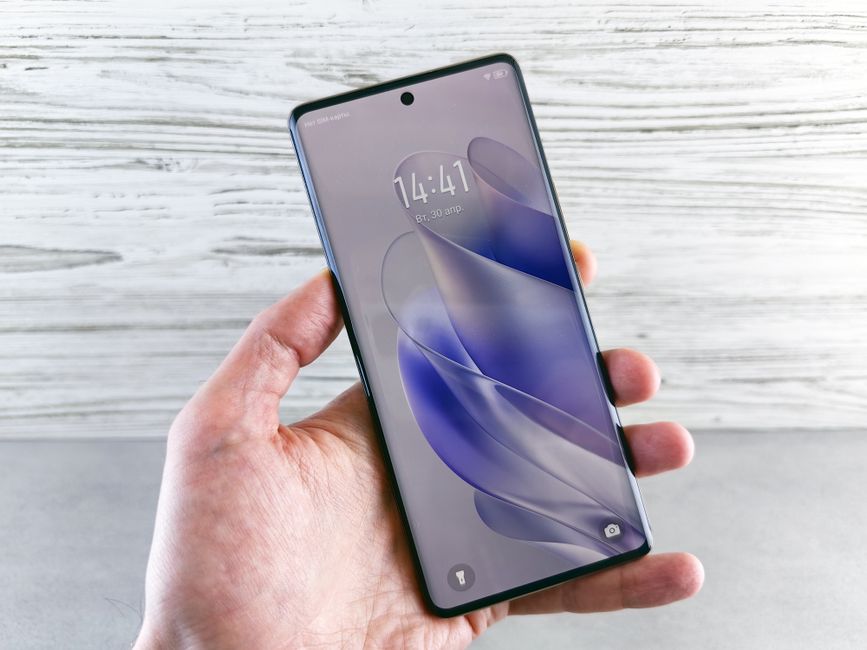
- Allows for one-handed play, enhancing convenience during short gaming sessions
- Reshapes reels and UI elements to fit the screen vertically without compromising symbol size
- Makes the game feel less like a port and more like a native mobile experience
This portrait-first approach is a distinct marker of mobile-first design. MrQ’s own mobile platform, for example, embraces portrait orientation as a default for many slots, bolstering player comfort and engagement.
Tools and Technologies Supporting Mobile-First Slot Experiences
Behind the scenes, game studios and operators employ a variety of tools to refine mobile-first design:
- Disqus: Community engagement tools like Disqus integrated within game sites or casino lobbies provide mobile-friendly social interactions. Players can comment or share feedback effortlessly, enhancing retention and social proof of mobile-optimized titles.
- Responsive HTML5 frameworks: Modern slots use HTML5 to ensure seamless scaling on any mobile screen, avoiding awkward zoom or scroll scenarios common in legacy Flash games.
- Performance optimization: Mobile slots are designed to minimize load times and battery drain, crucial for retaining users on mobile networks.
Industry Insights: Associated Press Coverage on Mobile Gaming Trends
News outlets like the Associated Press have highlighted the sweeping transformation of slot gaming driven by mobile adoption. Their reports capture how user behavior, technological shifts, and regulatory changes push studios toward mobile-first solutions. The AP notes that as more players choose their phones over PCs, the pressure mounts on studios such as NetEnt and operators like MrQ to innovate with mobile-centric UI and themes.
Summary: How to Tell a Mobile-First Slot at a Glance
Key Attribute Mobile-First Slot Features Bigger Buttons Large touch-friendly controls, easy to tap with thumbs Cleaner Layout Minimal clutter, simplified UI focusing on essential info Portrait Support Optimized for vertical orientation, suitable for one-handed use Cinematic Presentation Immersive themes and world-building that engage quickly Strong Visual Differentiation Vivid colors, unique characters, and distinctive animationsBy looking for these hallmarks, players can quickly identify which slots are truly designed with mobile players in mind rather than being awkward ports of desktop titles.
Final Thoughts
The mobile revolution in slot gaming reflects broader trends in digital entertainment, where user experience and accessibility dictate success. Studios like NetEnt have led the way by embracing mobile-first design philosophies early on. Operators such as MrQ owe much of their user satisfaction and strong retention metrics to carefully implemented mobile UI improvements, including bigger buttons, cleaner interfaces, and robust landscape mode slots portrait support.
Players today deserve slots that respect the context in which they play—whether on the bus, waiting in line, or during a quick break. Mobile-first design is no longer just a nice-to-have; it's the baseline expectation for any slot aiming to capture the imagination of a new, on-the-go generation of gamers.
Next time you pick a slot game, check how it feels on your smartphone first. If it features big, friendly controls, a clean layout, and plays comfortably in portrait mode—chances are good the developers had mobile players top of mind from day one.