How Do Smartphones Decode Live Casino Video While Running the Betting UI?
In the fast-paced world of online casino apps and mobile websites, delivering a smooth, synchronized experience is a challenging feat. Users expect high-quality multi-camera video streams showcasing live dealers, while simultaneously interacting with betting interfaces on their smartphones. This balancing act entails careful orchestration of mobile video decoding, processor workload, and UI responsiveness.
Thanks to advances in multi-camera studio production, lighting consistency, and intelligent encoding strategies, providers are achieving low-latency, crystal-clear live streams functional on mobile devices. Industry authorities including the Society of Motion Picture and Television Engineers (SMPTE), analytic firms like MRQ, and hardware-focused outlets such as Hardware Times are shedding light on these critical technologies and production approaches.
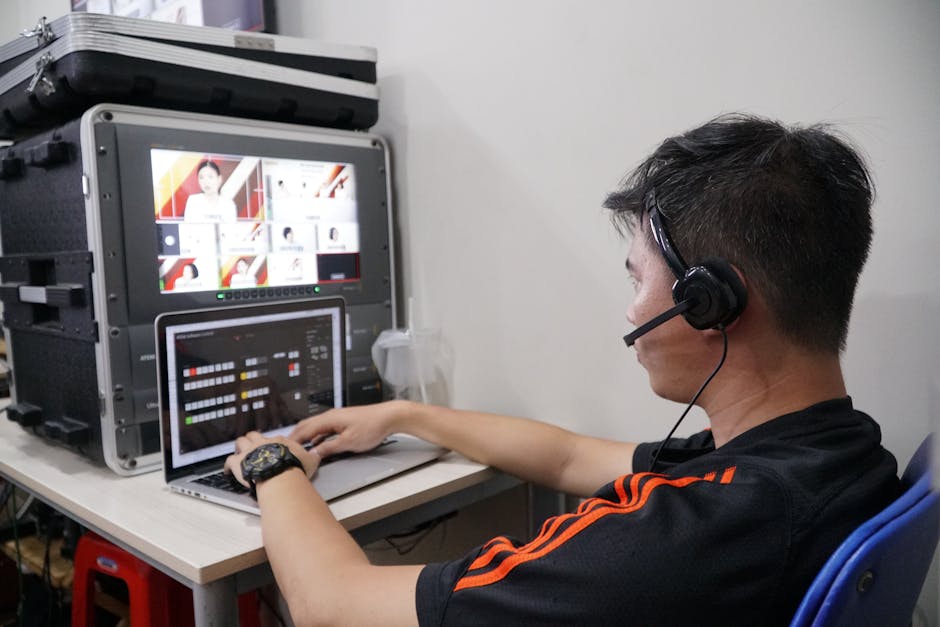
1. Multi-Camera Studio Production for Live Casino Video
Live casino studios often use multiple cameras positioned around the table to capture dealer actions, card reveals, and betting chips from different angles. The primary objective is to create an immersive experience comparable to being physically present.
Key considerations in multi-camera setups include:
- Camera Synchronization: Frames from different cameras must be time-aligned to avoid jarring edits that disrupt user perception.
- Seamless Switching: The video feed dynamically switches between camera views based on game action cues with minimal visual delay.
- Bandwidth Optimization: Aggregating multiple HD feeds into one stream demands efficient multiplexing and transcoding to keep bandwidth requirements within mobile data constraints.
Behind the scenes, the production system unifies these feeds into a single encoded stream with embedded camera-angle markers, allowing client apps—whether native online casino apps or web-based mobile websites—to decode and display the appropriate angle in near real-time.
2. Lighting and Visual Consistency: Why It Matters on Mobile
Video quality on smartphones is highly sensitive to lighting conditions. Uneven lighting or color mismatches between cameras lead to jittery viewing experiences that degrade user trust.
Lighting challenges and solutions:
- Consistent Color Temperature: Studios maintain exacting lighting standards to ensure uniform illumination across camera views.
- Reducing Shadows and Glare: Soft, diffuse lighting minimizes harsh reflections on cards and chips, crucial for clarity on small screens.
- Automatic Color Correction: Encoding systems and apps implement adaptive color grading algorithms to compensate for slight variations.
The Society of Motion Picture and Television Engineers (SMPTE) publishes standards to guide broadcasters and game studios on optimal lighting and colorimetry practice. By adhering to these, live casino studios reduce post-processing load on smartphones and improve rendering consistency in low-light mobile environments.
3. Mobile-First Streaming Constraints
Smartphones differ drastically from traditional broadcast displays. Limited CPU and GPU capacities, limited battery life, variable network conditions, and smaller screen sizes impose unique constraints.
Constraint Impact on Live Casino Streaming Mitigation Examples Processor Workload High decoding demands can cause dropped frames or overheating Hardware-accelerated decoding; optimized codec profiles Network Variability Buffering and quality fluctuations disrupt live betting flow Adaptive bitrate streaming (ABR); edge caching Battery Constraints Prolonged play causes device heating and shutdowns Efficient codec usage, reducing bitrate without sacrificing quality Screen Size Detail loss on small displays risks user engagement Multi-camera close-ups and zoom-enabled UIHardware Times frequently reviews smartphones under these real-world streaming workloads, emphasizing how processor load and thermal throttling affect continuous live casino sessions. Their reports reinforce asking, “What happens when this decoding box overheats at hour 9?”
4. Encoding and Compression: The Encoder’s Balancing Act
Encoding live multi-camera feeds is a technical balancing act. Providers compress multiple HD angles into streams that can flexibly conform to diverse mobile bandwidths, device capabilities, and latency requirements.
Popular codec and streaming frameworks for live casino video include:
- HEVC (H.265): Offers efficient compression but higher decoding workload. Suitable for high-end phones with hardware acceleration.
- AV1: Emerging codec with better compression but currently limited hardware support on mobile devices.
- HLS with Low Latency Extensions: Widely supported adaptive streaming protocol balancing latency and quality.
- DASH (Dynamic Adaptive Streaming over HTTP): Another adaptive protocol often tailored for multi-angle streams.
MRQ’s analytics emphasize monitoring processor utilization and frames per second (FPS) during video decoding, especially since the betting UI must run concurrently. Their insights highlight minimizing decoder stalls to avoid discrepancies in video and betting data synchronization.

5. Managing Processor Workload and Interactive App Interface
Decoding a live multi-camera video while running an interactive app interface on the same smartphone demands careful CPU/GPU resource management. Here's how this becomes feasible:
- Hardware-Accelerated Video Decoding: Most modern phones integrate dedicated hardware blocks (e.g., Apple’s VideoToolbox, Qualcomm’s Hexagon DSP) that offload decoding tasks from the main CPU.
- Optimized UI Frameworks: Mobile apps use lightweight, GPU-accelerated UI frameworks that maintain responsiveness without excessive CPU wattage.
- Prioritized Task Scheduling: Operating systems prioritize UI thread responsiveness over background tasks like buffer prefetching.
- Resource Monitoring and Adaptive Techniques: Apps dynamically adjust video resolution or frame rate during usage spikes, balancing processor workload with betting interactivity.
Cross-referencing video frames with betting data packets in real-time is imperative. Minor latency or sync drift impacts user trust—reckless spec chasing for 4K streams on phones without considering processor limits wastes https://hardwaretimes.com/the-hardware-behind-modern-live-casino-streaming/ bandwidth and harms user experience.
Summary
Delivering engaging live casino experiences on smartphones is a multi-disciplinary challenge. Superior multi-camera studio production and lighting consistency set a solid visual foundation. Mobile-first streaming constraints drive encoding and compression choices that optimize bandwidth and device utility. Crucially, smart balancing of mobile video decoding workloads with an interactive app interface keeps the user experience fluid and responsive.
Enterprises from live production standards bodies like SMPTE, hardware insight leaders such as Hardware Times, and mobile performance analytics firms like MRQ continue refining best practices. Their work ensures that online casino apps and mobile websites deliver consistently safe, immersive, and synchronized gameplay—no matter where or how you play.