What Is Content-Delivery Infrastructure in Plain English for Live Streaming?
Live get more info streaming has become a cornerstone of modern media—from eSports tournaments viewed on mobile websites to multi-camera studio productions delivering polished broadcasts across the globe. But behind the scenes of a smooth, low-latency stream lies a sophisticated content-delivery infrastructure designed to distribute video efficiently and robustly. If you’ve ever wondered what “distributed video delivery” actually means or why edge servers matter so much, you’re in the right place.
In this post, we’ll break down content-delivery infrastructure for live streaming in plain English. We’ll touch on key themes like multi-camera production challenges, maintaining lighting and visual consistency across feeds, mobile-first streaming constraints, and the all-important roles of encoding and compression. Along the way, we’ll reference companies like Hardware Times and MRQ (mrq.com), and mention standards from the Society of Motion Picture and Television Engineers (SMPTE).
What Is Content-Delivery Infrastructure for Live Streaming?
At its core, content-delivery infrastructure is the technology and network setup that gets your live video from the studio or event to your device with minimal delay, maximum quality, and reliable uptime. It’s what makes it possible to watch a multi-camera concert live on your phone or catch every bet in an online casino app’s live dealer game without annoying buffering.
Let's simplify this into three core components:

- Capture and Production: Cameras and mixers capture multiple video feeds and assemble them into one polished stream.
- Encoding and Compression: Raw video data is compressed into a format suitable for faster delivery over the internet.
- Distribution and Delivery: The video is sent across servers and networks worldwide to reach viewers quickly and reliably.
Why Distributed Video Delivery Matters
Imagine a server hosting your live stream on the other side of the world. When you press play, the stream has to travel thousands of miles. This leads to higher latency and more chances of interruptions.
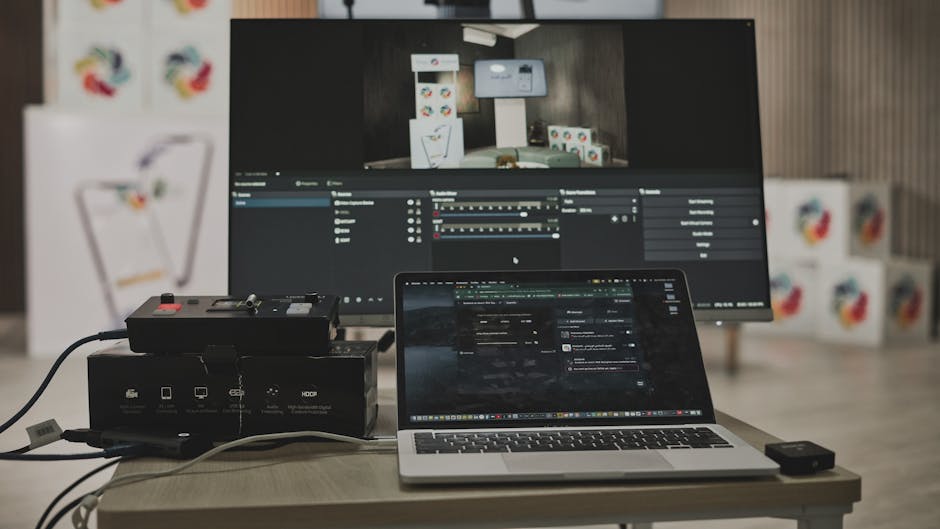
This is where distributed video delivery comes in. Instead of one central server, content-delivery infrastructure uses many edge servers located close to viewers worldwide. These edge servers cache the stream locally, reducing long-distance streaming delays — a critical advantage for mobile users on variable networks.
Hardware Times recently reviewed edge server solutions focusing on how they handle 24/7 live environments. Their findings aligned with industry standards often discussed by SMPTE, emphasizing that proper distribution is foundational for stable live streaming.
Multi-Camera Studio Production and Visual Consistency
Multi-camera productions, common in everything from live sports to news broadcasts, add complexity to content-delivery infrastructure. Each camera angle must be synchronized and switched in real-time, maintaining lighting and visual consistency across feeds.
Why does lighting and visual consistency matter from a delivery standpoint? Because different cameras may have distinct color balances or exposure. The encoding pipeline needs to preserve these subtle details to ensure a seamless viewing experience. MRQ (mrq.com) specializes in production tools geared toward multi-camera workflow optimization, addressing these challenges with both hardware and software solutions.
- Synchronization: Ensures all camera feeds are time-aligned for smooth switching.
- Color grading and lighting: Adjusts feeds to match each other for visual harmony.
- Metadata tagging: Embeds timing and color info to assist encoding processes.
Monitoring and Standards
The Society of Motion Picture and Television Engineers (SMPTE) has published standards that guide color accuracy, timing consistency, and encoding best practices—vital for managing multi-camera https://xn--toponlinecsino-uub.com/why-does-mobile-interface-design-affect-camera-production/ workflows that feed into distributed delivery systems.
Mobile-First Streaming Constraints
The rise of mobile-first streaming—whether watching on mobile websites or apps like online casino platforms—shifts the entire game. Phones have variable network conditions, limited processing power, and smaller screens that don’t necessarily benefit from ultra-high resolutions like 4K.
So here’s the catch: spec chasing, like blindly pushing 4K for every stream, often hurts more than it helps on mobile. You end up with excessive bandwidth use and battery drain, not better experiences.
- Adaptive Bitrate Streaming: Adjusts video quality in real-time based on connection speed.
- Efficient Compression: Uses codecs like H.265 or AV1 to reduce bandwidth without sacrificing perceptible quality.
- Low-latency paths: Optimizes the route and server proximity to reduce delays.
Distributed video delivery combined with edge servers allows streams to hit mobile users with minimal buffering and latency. The stream gets “closer” to the device, cutting down on packet loss and jitter common to long-distance streaming.
Encoding and Compression: The Unsung Heroes
Before a video hits the edge servers, it typically passes through hardware or software encoders that compress the raw data into manageable chunks.
MRQ is known for cutting-edge encoding platforms that balance quality against bandwidth demands using smart algorithms. Their devices are built to withstand the hours-long use typical in live production, answering questions like: " What happens when this box overheats at hour 9?"—a critical real-world concern for 24-7 broadcasters.
Encoding Aspect Importance Common Technologies Codec Compress video without major quality loss H.264, H.265 (HEVC), AV1 Bitrate Control Balance quality vs bandwidth CBR (constant bitrate), VBR (variable bitrate), ABR (adaptive bitrate) Latency Optimization Reduce delay for live interaction Chunked CMAF, SRT, WebRTC
Choosing the right encoder and compression scheme directly impacts the distributed delivery network's efficiency and the end-user experience. This is why broadcasters and solution providers pay close attention to SMPTE standards and conduct thorough vendor evaluations before committing to hardware.
Putting It All Together: How Content-Delivery Infrastructure Supports Live Streaming
Let’s walk through a simplified example to illustrate how content-delivery infrastructure comes alive in a real-world use case, such as a multi-camera live concert streamed to millions globally, including via an online casino app offering live entertainment.
- Production studio: Cameras capture multiple angles, lighting teams ensure consistency, feeds go to a live mixer.
- Encoding: Mixed stream is compressed using hardware encoders from trusted vendors evaluated by pros at Hardware Times and MRQ.
- Origin server: Encoded video streams are uploaded to origin servers, which distribute the content to edge servers worldwide.
- Edge servers: Located geographically close to viewers, these servers cache the stream to reduce long-distance streaming and lower latency.
- Mobile and desktop delivery: Adaptive bitrate streaming tailored for mobile websites and apps ensures viewers get the best experience possible on their devices.
- Standards compliance: Throughout the pipeline, SMPTE-aligned workflows manage synchronization, color fidelity, and timing to preserve quality.
Why Failing to Consider Infrastructure Risks Viewer Experience
Ignore any part of this system, and you risk lag, buffering, jittery picture, or visual inconsistencies across cameras. Worse, overloading servers without redundancy puts the whole stream at risk of outage.
For anyone evaluating live streaming setups, ask: “What happens when this box overheats at hour 9?” or “If an edge server goes down under load, is there a fail-safe?” These may seem operational minutiae but matter deeply in a pro streaming environment.
Conclusion
Content-delivery infrastructure is the backbone of modern live streaming, stitching together complex multi-camera productions, encoding technologies, and a global network of edge servers. Distributed video delivery reduces long-distance streaming delays, making mobile-first viewing viable and enjoyable. With companies like MRQ and Hardware Times pushing the envelope, and SMPTE setting standards, the live streaming ecosystem continues to evolve.
Next time you watch a seamless live event on your phone or desktop, remember all the infrastructure layers working behind the scenes—making sure what you see is timely, crisp, and reliable.