Why Does a Casino Row of Slots Feel Longer Than You Expect?
If you’ve ever strolled down a casino floor, perhaps at MrQ Casino or a resort with a rich past preserved by groups like the California Office of Historic Preservation, you might have noticed something odd: the seemingly endless row of slot machines stretches much further than your eye anticipates. You’d expect to cover twenty machines in 20 feet, but somehow, it takes closer to 50 feet—and the sensation of walking that length lingers differently compared to other retail spaces.
Understanding why this happens requires a dive into the mechanical history of slots, their cabinet footprints, and how size perception differs with modern digital screens like your smartphone or desktop monitor. Let’s unpack the three main reasons why casino rows feel longer than you expect, focusing on 50 feet for 20 positions, aisle spacing, and columns and gaps. Bonus: I’ll clarify how the diagonal inches reported for slot displays can mislead you about their real size—something every gamer or tech shopper should know.
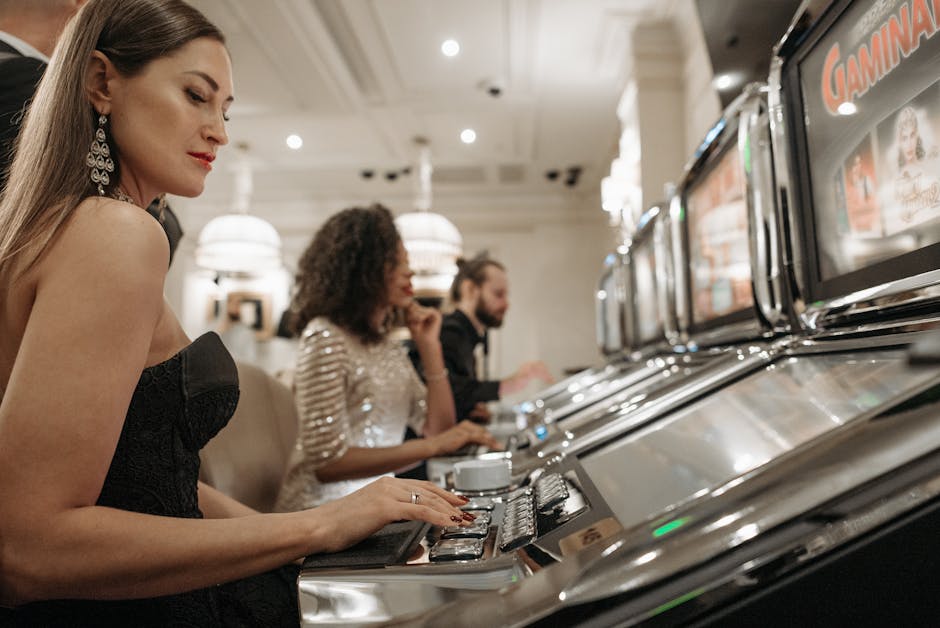
The Origins: Mechanical Constraints Shaped Early Cabinet Size
Early slot machines—those clunky, mechanical beauties—dictated much of today's cabinet dimensions. Before digital video slots could shrink and evolve, each machine was a physical assembly of reels, levers, coins, and fairly large hardware components that needed room. These weren't flat touchscreen devices; they were complex mechanical contraptions with bulky parts housed behind decorative facades.
Manufacturers had to balance:
- Reel mechanics: Each slot had multiple spinning reels physically mounted inside. The cabinet needed width and height to accommodate free rotation and visibility.
- Coin handling parts: Weighty coin buckets and validation mechanisms added thickness and depth.
- Player interface: Buttons and payout trays required ergonomic spacing, ensuring players could comfortably reach and interact.
This meant an early gaming cabinet was often significantly larger than just the face with spinning reels you focused on. So when casinos installed a line of twenty such machines, the row naturally stretched longer than expected—sometimes up to 50 feet for 20 positions. This length was a functional necessity rather than arbitrary design.
Why This Matters Today
Recognizing that the cabinet footprint is more than just the spinning window helps you adjust expectations. For instance, when you look at a slot screen's diagonal measurement—which often gets quoted as if it tells the whole story—it omits how deep or wide the entire cabinet is, as well as the space needed between machines for player comfort and maintenance.
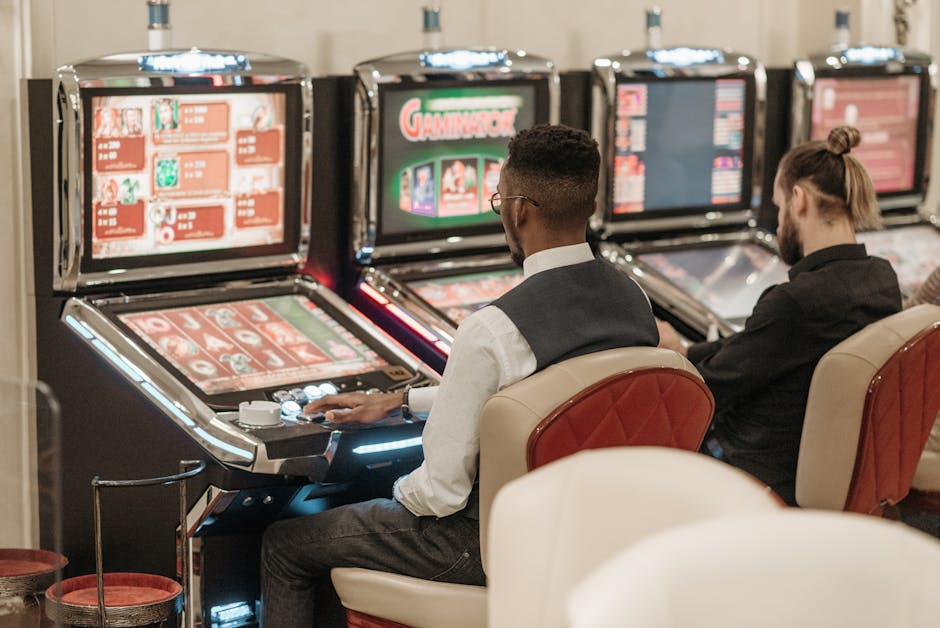
Cabinet Footprint and Aisle Spacing: The Real Amount of Space Slots Occupy
When you physically walk down a casino aisle, the experience of celebmeadow.com length isn’t only about how many machines you see—it’s also about the space around and between them. Casinos adhere to specific spacing guidelines to:
- Allow players to sit or stand comfortably without bumping neighbors.
- Make room for maintenance staff to access rear panels.
- Maintain accessibility standards and emergency egress paths.
Typically, these aisles accommodate between 3 and 5 feet of clearance, sometimes more, depending on the casino's design ethos. Combine that with the dimension of each cabinet, and the total footprint balloons.
Element Approximate Size Notes Cabinet Width 24-30 inches Varies by model; early mechanical slots generally wider. Spacing Between Machines 4-6 inches Small gap to prevent damage and allow some player elbow room. Aisle Width 36-60 inches Allows walking space and ADA compliance.Summed across twenty machines with gaps and aisle spacing included, you can see why the space consumes a full 50 feet or more. This reality contrasts sharply with the small screen sizes we use daily, like your smartphone or a desktop monitor.
Video Slots Often Got Bigger Before Mobile Made Them Smaller
The transition from mechanical to video slots introduced more flexibility in how machines looked and felt. Video slot cabinets introduced large digital screens—sometimes 27 to 32 inches diagonal or bigger—allowing for vibrant animations and dynamic gameplay. However, this also meant the physical cabinet footprint often expanded to accommodate larger displays and secondary screens, flashy lights, and button panels.
For reference:
- Your average smartphone has a screen size of 6 to 7 inches diagonally—think of the smartphone as a modern-day compact slot window, easily fitting in your hand.
- A typical desktop monitor ranges from 21 to 27 inches diagonal, but the display sits within a similarly deep and wide plastic casing with buttons and ports.
Video slots in casinos used these larger displays to attract players but stayed bigger to house powerful hardware and elaborate designs. The cabinets became larger until newer, mobile-centric design philosophies prompted the industry to reconsider physical size. Casinos and game makers realized that slots needed to be visually impactful yet not too cumbersome, influencing some recent slot designs to shrink or streamline.
Diagonal Inches and Aspect Ratios Can Mislead About Size
One detail I always double-check as someone familiar with gaming hardware layouts: the diagonal measurement of a screen does NOT fully describe the actual usable display area or physical size. Diagonal inches can be deceptive because:
- Aspect ratio matters: A 32-inch widescreen slot display (16:9) has a different height and width than a 32-inch 4:3 display. Though both share the same diagonal, what you see on the screen varies substantially.
- Cabinet framing adds bulk: Thick plastic bezels, shoulders, or button panels all increase size beyond the screen.
- Hand feel and thumb reach: The control buttons and touch screens must be laid out so that all UI elements fit comfortably within thumb and finger reach, even when the entire display is large.
In fact, a slot designer must strategize exactly how big a screen should be so players can read symbols easily while controls remain intuitive and comfortable. This has parallels with smartphone and desktop monitor design, where increasing screen size can improve visibility but hurt ergonomics.
A Real-World Visualization
Imagine the 50-foot length of casino slots as equivalent in length to roughly five standard sedans parked end to end (a median sedan length is about 15 feet). That’s a long row of machines! And within that distance, each machine’s reel window might only be about the size of a paperback book, with the surrounding cabinet breaking the illusion of space.
Columns and Gaps: How Slot Arrangements Shape Your Perception
Last but not least, casino floors typically arrange machines in multiple rows or "banks" separated by aisles. The presence of columns, decorative pillars, and lighting may break your line of sight, subtly distorting how long a row feels.
Gaps between machines and columns aren’t random; they’re carefully planned to:
- Maintain clear safety paths and sight lines for security cameras and dealers.
- Create cozy player zones, which encourage longer play periods.
- Optimize floor traffic flow so guests can navigate between restaurants, restrooms, and gaming areas seamlessly.
When these elements combine, your walk down a twenty-position row feels longer than a simple multiplication of machine widths. This is often overlooked by visitors but well-understood by floor planners and designers at casinos like MrQ Casino, which also integrates preservation elements in older facilities influenced by the California Office of Historic Preservation.
Summary: Why That Row of Slots Stretches Longer Than You Think
- Legacy Mechanical Cabinets: Early slot machines needed wide, deep cabinets for their gears and reels, leading to inherently larger footprints.
- Aisle Spacing and Player Comfort: Thoughtful spacing between machines and aisles makes the physical distance greater to maintain accessibility and a quality player experience.
- Screen Size Misconceptions: Diagonal measurements and aspect ratios can mislead you about actual display size and cabinet bulk.
- Slot Row Layout: Columns and gaps affect your line of sight, making the row feel even longer.
- Video Slots Evolution: While video slots grew before shrinking in scale, physical cabinets still include more than just the screen, inflating perceived length.
Next time you visit a casino or stumble upon a floor plan online, think of those twenty slot positions not as twenty small screens in a line—you’re walking nearly 50 feet, roughly the length of five cars parked bumper to bumper. And remember, the diagonal screen size listed on a slot machine or your smartphone only tells part of the story: ergonomics, cabinet depths, and spacing all shape how you experience casino gaming spaces.