Why Were Early Online Slots So Basic Looking?
Early online slots evoke a particular nostalgia for many gamblers and gaming enthusiasts. Their simple designs, limited colors, and straightforward gameplay might seem underwhelming today when compared to the dazzling, graphically intense slots blasting out of modern casinos oddee.com and apps. However, those humble beginnings played a crucial role in shaping the now rich and immersive world of online slot gaming. Understanding why early online slots were so basic-looking requires diving into the journey from mechanical coin-operated machines to web-based digital gaming, constrained by the technology and design principles of their time.
The Legacy of Automation via Coin Mechanisms
To appreciate early online slots, we must first step back to their mechanical ancestors. Traditional slot machines operated through complex electromechanical mechanisms designed to automate the payout process with coin mechanisms. These mechanical wonders depended on precisely engineered reels, springs, and coin acceptors to verify bets and deliver winnings automatically. This reliability in automation crafted a clear, functional user experience: drop a coin, pull the lever, watch reels spin, and collect any payout from the hopper if the symbols aligned.
This legacy heavily influenced early online slot design. The straightforward, mechanical nature informed what needed to be simulated digitally—three reels spinning and iconic symbols lining up to define wins or losses. The automation was no longer physical but emulated through carefully coded random number generators (RNGs) and outcome displays.
What Stayed The Same vs. What Changed
- Stayed the Same: The three-reel format and classic icons (fruit, BARs) persisted, providing users with a familiar interface even in the digital realm.
- Changed: Instead of physical spinning reels, software generated spins and outcomes. The coin-drop and hopper collection were replaced with virtual credits and digital payouts.
The Three-Reel Template and Readable Outcomes
One of the most telling indicators of early slot simplicity was the adherence to the three-reel template. This was not just a nod to tradition but also a necessity grounded in the technology of the 1990s and early 2000s.
Three reels keep the gameplay easily readable: players instantly recognize winning combinations on these few reels. More reels mean more complex mechanics, slower spin visualizations, and longer computations—problems compounded by the slow internet connections of the time.
Why Three Reels Stayed Popular
- Clarity of outcome: With three reels, players could quickly grasp results and anticipate winnings without confusion.
- Reduced graphical demands: Fewer animations and symbols meant quicker load times and smoother gameplay, crucial in an era when dial-up connections were the norm.
- Preserving mechanical slot heritage: The three-reel design tied the new digital experience to the well-loved physical format.
Iconography: Fruit and BAR Symbols
The iconic fruit symbols—cherries, lemons, plums—and the BAR symbols weren't arbitrary choices. They carry a deep gambling history that helped early online slot developers create instantly recognizable visuals. This iconography simplified game themes, reduced complexity, and leaned on player familiarity.
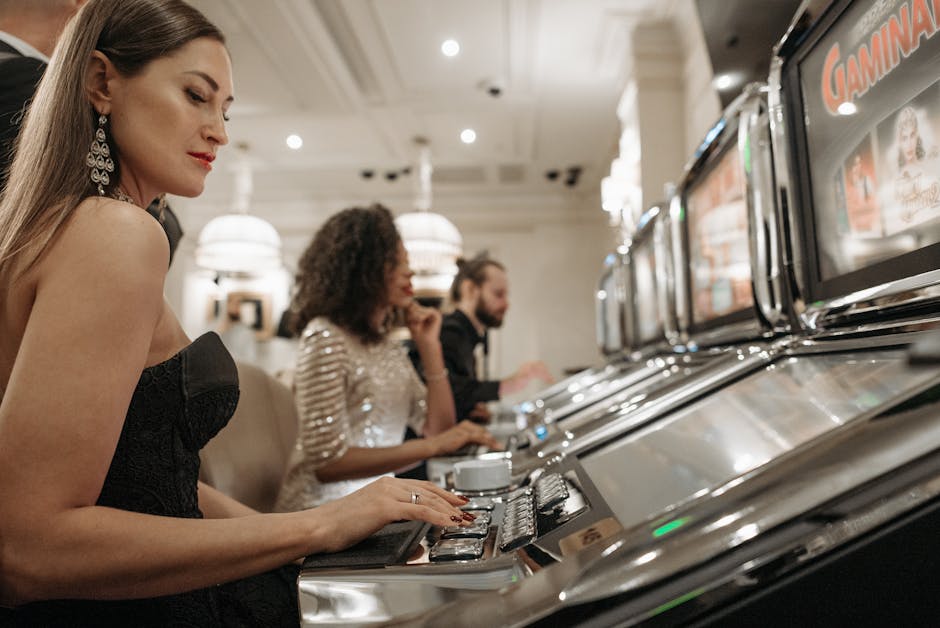
Additionally, the limited palette and simple symbols made graphics easier to render and faster to load on browsers that had very limited capabilities compared to modern standards.
Why These Symbols Endured
- Simplicity: Fruit and BAR graphics had clean, easily distinguishable shapes which displayed well even at low resolutions.
- Cultural recognition: Many land-based slot players had become accustomed to these symbols, providing a ready-made audience.
- Efficient iconography: These symbols could be represented with simple bitmap images or vector shapes that browsers of the time tolerated well.
Electromechanical Transition and Bigger Payouts Influence Design
When slot machines shifted from pure mechanical systems to electromechanical ones—featuring lights, sounds, and more advanced payout mechanisms—design complexity grew but the foundational aesthetic stayed quite plain. Online slots followed suit, but early web technologies couldn't reproduce intricate electromechanical animations or sounds in the same way.
The pursuit of bigger payouts also influenced interface simplicity. Early online slots needed to convey valid wins unambiguously without confusing players with flashy effects that could obscure winning lines or odds. The emphasis was on straightforward digital translations of payout tables and bingo-style winning announcements.
This practicality extended to regulatory oversight. Casinos and software providers needed transparent, easy-to-understand gameplay rules and outcomes to pass certification audits, pushing developers towards minimalistic design that ensured fairness and honesty were clearly communicated.
Technological Constraints: Slow Connections and Browser Compatibility
Two major technical factors defined early online slot visuals: slow internet connections and limited browser compatibility.
Slow Connections
In the 1990s and early 2000s, dial-up modems dominated internet access with speeds commonly maxing out at 56 kbps—far from today's standards. This severely limited the amount of data that could be transmitted quick enough to keep players engaged. As a result, early online slots had to be:
- Minimalistic in graphics to reduce file sizes.
- Limited in animation frames to avoid lag.
- Quick to load with short play cycles due to impatient players and connection inconsistencies.
Browser Compatibility
Web browsers back then did not have the advanced rendering engines of today. Technologies like Flash (later dominant) or HTML5 (modern standard) were either in infancy or unavailable. Early slot games had to work within extremely narrow compatibility windows, often relying on basic HTML, GIF animations, or Java applets that limited color depth and interactivity.
Developers prioritized broad device and browser compatibility over flashy aesthetics to reach the widest audience possible. This meant sticking to simple graphics, small sprites, and user interfaces that worked on many systems without crashing or producing errors.
Summary Table: Comparing Early and Modern Online Slot Features
Aspect Early Online Slots Modern Online Slots Graphics Basic, pixelated, limited colors, mostly static images or simple animations Rich HD 3D animations, complex visual effects, vibrant full-color palettes Symbols Classic fruit, BAR, simple icons Thematic, licensed characters, dynamic and interactive symbols Reels Typically 3 reels, simple spinning Up to 5, 6, or more reels with multi-directional paylines Loading Speed Optimized for dial-up and limited bandwidth; quick loads Requires broadband; larger files but streaming and preload mitigate wait times Sound Basic beeps and buzzes, limited sound clips Surround sound effects, voiceovers, licensed musicFinal Thoughts: Basic by Necessity, Not by Design
The basic-looking nature of early online slots was not due to a lack of creativity or ambition by game developers. Instead, it was largely dictated by technological and practical constraints rooted in the history of slot machines and the digital landscape of the early internet era.
Automation principles from mechanical coin slots shaped the simple, readable three-reel format and iconography. Pay attention to the practical balance developers sought between visual complexity and the need for quick, clear feedback reflecting electromechanical predecessors. Most importantly, slow internet connections and limited browser capabilities dictated a minimalistic approach to graphics and animation to make the games accessible to the widest audience possible.
As internet speeds increased and browser technologies advanced, this foundational simplicity enabled designers to innovate without alienating players familiar with classic slot gameplay mechanics. So, while the graphics back then might seem basic today, they represent a fascinating chapter in the evolution of online casino gaming, serving as a bridge from the mechanical past to the digital future.